Enprints of Iranian Resistance
editor in chief’s note
The Iranian society is known for enduring pain by its severe government. Political, social, and economic pressures have outlined the world’s understanding of Iranian people and their strengths. Although Iranians have continued to be resilient in times of economic pressure and political abuse by their regime, there is more to their resistance than what is seen and known.
When the discussion of Iranians arises, most people chime in to show empathy for the protesters on the street, fighting against the regime that oppresses people for mundane things. There are brutal moments that people see on their phones, which are usually true and the reality for most people living in Iran. But beneath the obvious resistance, there is a quiet way of living, of adapting and informing the type of Iranian that the Islamic Republic wants to see. That image gets lost, that Iranian is unknown to most except those who come to the land and see for themselves, that there is resistance in every layer of society.
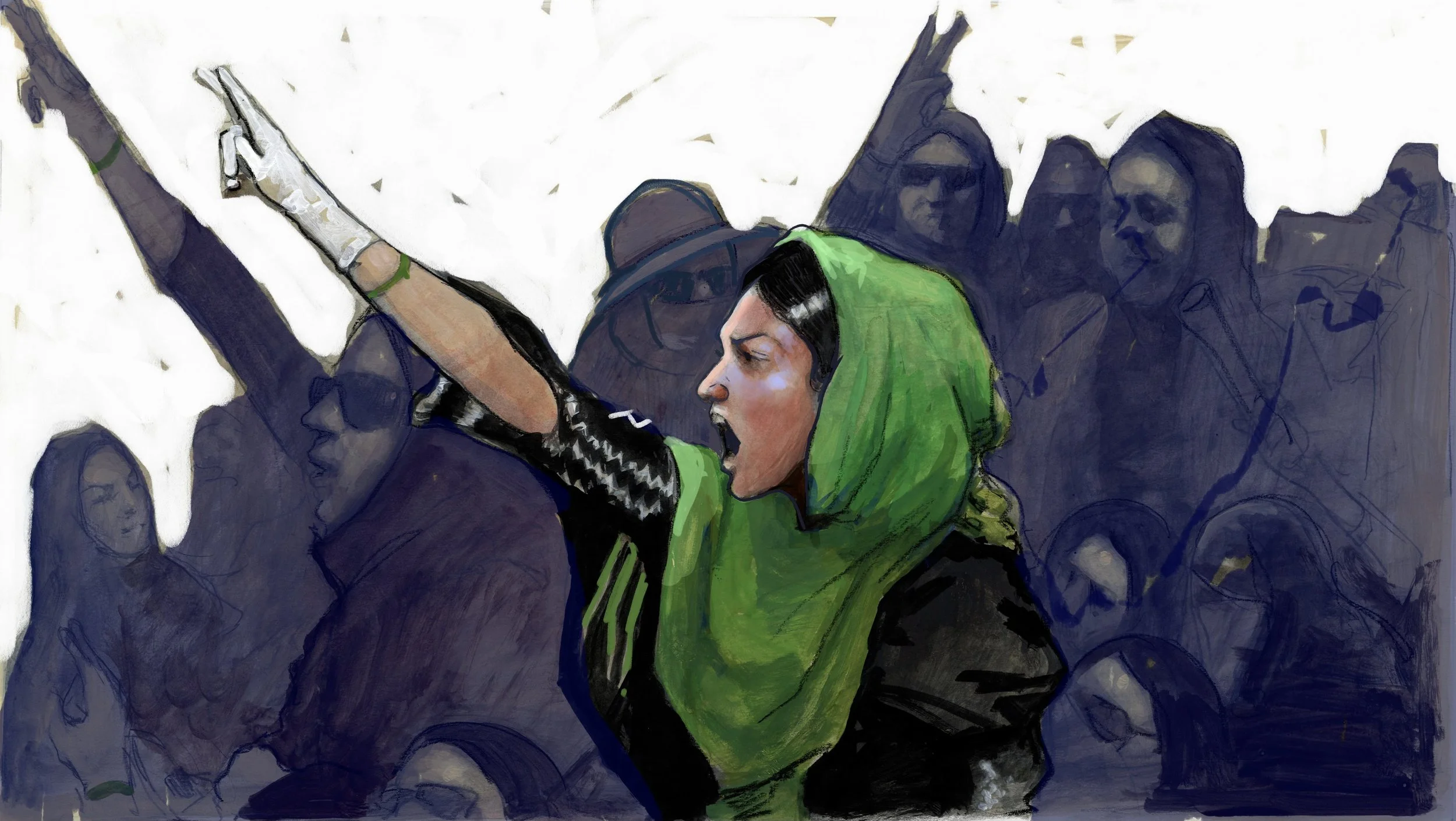
The first grand moment Iranians became known for being powerful at protest was the Green Movement of June 2009. Many came to the streets to fight for their right to democracy, to a rigged election and a forced leader who already set the country behind many years of slow progress. Mir-Hossein Mousavi was the people’s choice, but he lost the election to Mamoud Ahmadi Nejad. Mousavi has been under house arrest ever since due to sedition, and for being identified as the leader of the Green Movement. During the elections, many people saw him as a leader who could finally bring some change to Iran’s dark society. The people saw him as someone who could actually connect to his people, and to others diplomatically as well. Iran has had a history of troubled diplomatic relations since the 1979 revolution, with ties cut from most of the world, including the United States of America. The important aspect of the Green Movement was not to acceptWestern Imperialism, or to conform to the US and their interests in the region, but to have a sense of normalcy in their socio-economic issues and relevance to the entire world.
During these protests, people were monitored. Many people wore green in support of the movement, including women who would wear green headscarves. This was simultaneously a sign of support for Mousavi, as well as a protest to the mandatory hijab laws in Iran. Outside of protests, at night, most Iranians participating in the Green movement would come to their balconies, chanting slogans for their elected leader.
The phrase “Allaho-Akbar” (meaning God is Great) was first claimed as a supporting slogan for Mir-Hossein Mousavi. These nightly chants soon became problematic for protesters who were afraid of taking to the streets, as the government began monitoring people on the balconies as well. Sometimes, the government’s agents would begin chanting in neighborhoods to identify those who’d take part in this movement.
Slowly, many were arrested and the movement ended in a victory for Mahmoud Ahmadinejad, who viciously cracked down on protesters and those who opposed the regime.
Some protests are loud in Iran; The Green Movement, the 2019 Bloody November, and the 2022 Woman Life Freedom protests in support of Mahsa Amini, who was murdered for not wearing a headscarf. The Islamic Republic is known for notoriously arresting political figures and protesters and keeping them in harsh conditions, under torture and disconnectedfrom the outside world such as in Evin Prison. Many of these movements were recorded, broadcasted, and understood. In a way that the world actually began understanding how to pronounce Iran. But there are moments that protest becomes part of daily life, sometimes meshed into fashion, beauty, poetry, and dance.
During the 2000s, the western world and Hollywood gave us an iconic style and fashion sense that is still relevant today. Because of Hollywood’s impact, y2K style is so known that everyone thinks Paris Hilton, Britney Spears, Xtina. What’s less known is the style and beauty standards that took over Western Asia, specifically Iran. During these years, Iran was already under mandatory hijab laws. Meaning women over the age of nine must cover their body and wear a headscarf that ideally covers all the hair on their head. Women’s faces can be shown from their forehead to their chin. This is what the Islamic Republic considers hijab and mandates all women dress this way based on the orders of Islam. However, women in Iran began to evolve and adapt their fashion sense to these laws. Most women in Iran don’t fully cover their hair as not all Iranians are muslims, and if they are, not all muslims wear a hijab. Although, they are all mandated to by the laws in Iran. This has made Iranian women become more elaborate with their style and their beauty procedures.
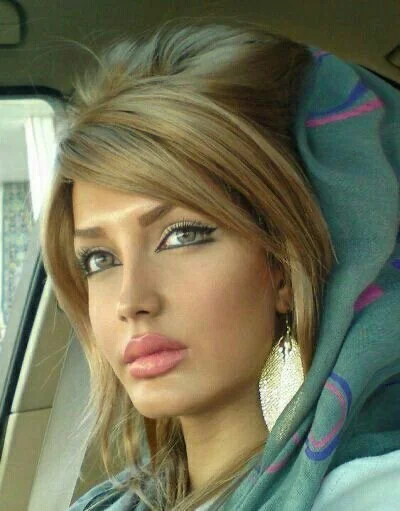
Many of these beauty standards included tan skin, big teased hair (preferably blonde), pointy nose jobs, and lots of lip filler. Yes, this is Iran in the 2000s, where lip filler and botox was in before Hollywood jumped in on it. Interestingly, Iranian men who were into these beauty standards also began whitening their teeth, getting nose jobs, chin filler, and looksmaxxing without any facetune or filters. These are Iranian baddies of the 2000s, known as Palang (leopard) or Daaf (baddie). They were like Bratz dolls, everyone wanted to look like them. They were our Bratz dolls.
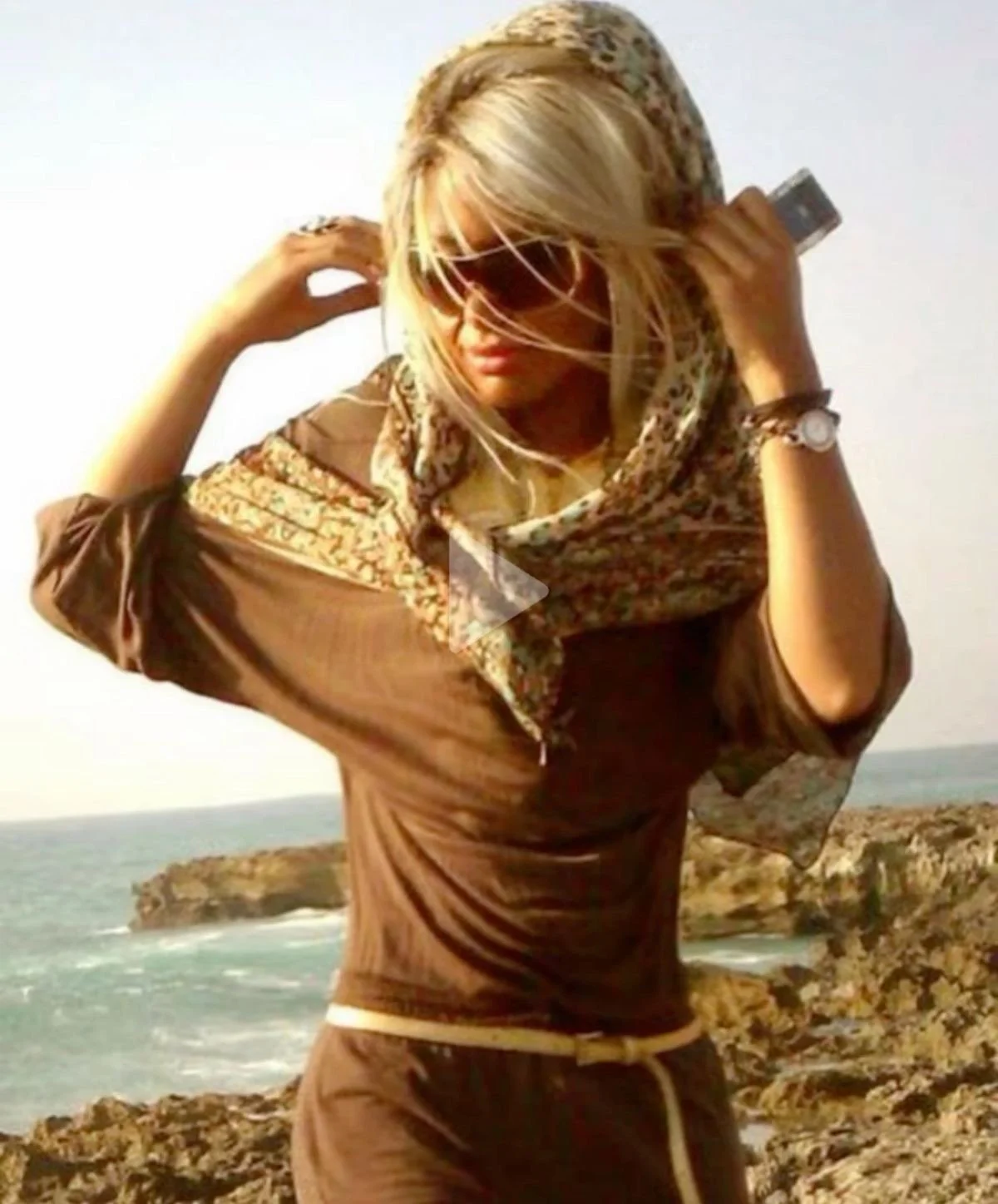
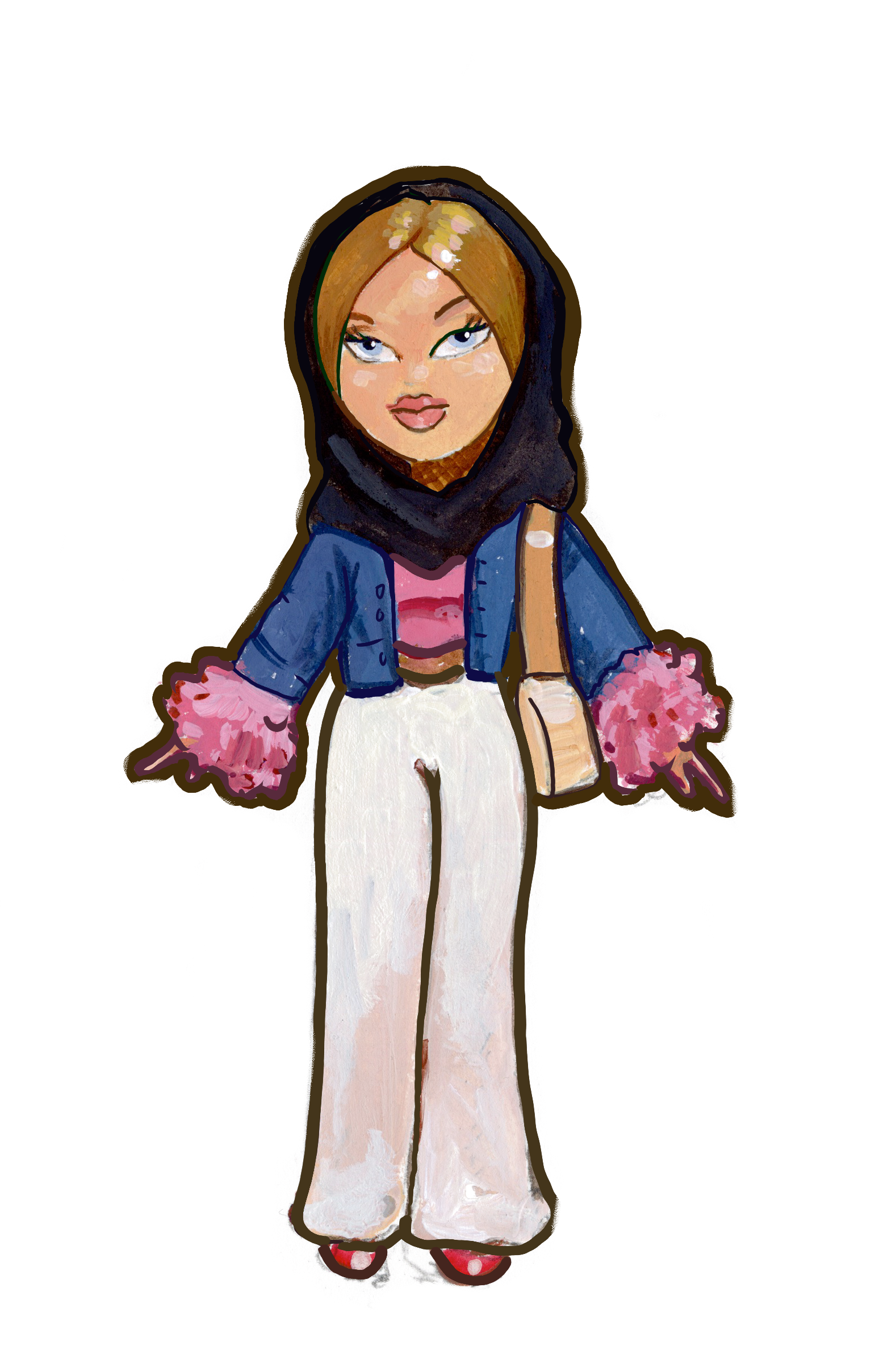
Palang, Norberto Perez, Gouache, 2026
Outside of the mundane, there were also things that united Iranians in their resistance to the regime. Iran’s wildlife has been long endangered due to the government’s low efforts in preserving and protecting their habitat. Throughout the years, Iranians have become more attentive to the wildlife, including the Asiatic Cheetah which is one of the rarest subspecies currently surviving in Iran. The endangered species received international attention, with donations pouring in yet not feeding into the right resources due to the regime’s corruption.
In 2022, a male Asiatic cheetah named “Pirouz” was born in captivity. The child of two cheetahs named “Firouz” and “Iran.” This cub gained a lot of recognition and quickly, many Iranians became attached to him, as he was the only cub of three that survived, and that he was incredibly cute. Pirouz had eyes full of hope, something Iranians always look for in the darkest times.
Pirouz had a difficult living situation. As his mother rejected him, he was monitored by his caretaker Alireza Shahrdari, who would even bottle feed him and provide care around the clock, sometimes even sleeping next to the cheetah. Shahrdari’s videos began going viral, gaining a lot of popularity and fans from around Iran. Pirouz, which literally translates into Victor, became a champion for Iranians.
Since his birth, Pirouz suffered from digestive and kidney problems. During Pirouz’ ailments, Shahrdari constantly urged government officials and institutions to prioritize preserving this species and their habitat, which was not addressed adequately. Pirouz died of kidney failure in February 2023. The cheetah’s death infuriated Iranians, as well as his caretaker as it proved the government’s incompetence in raising him and keeping him and his species safe. In addition to losing Pirouz, Iranians mourned the bond this cheetah had with his caretaker, who did his best to champion Pirouz.
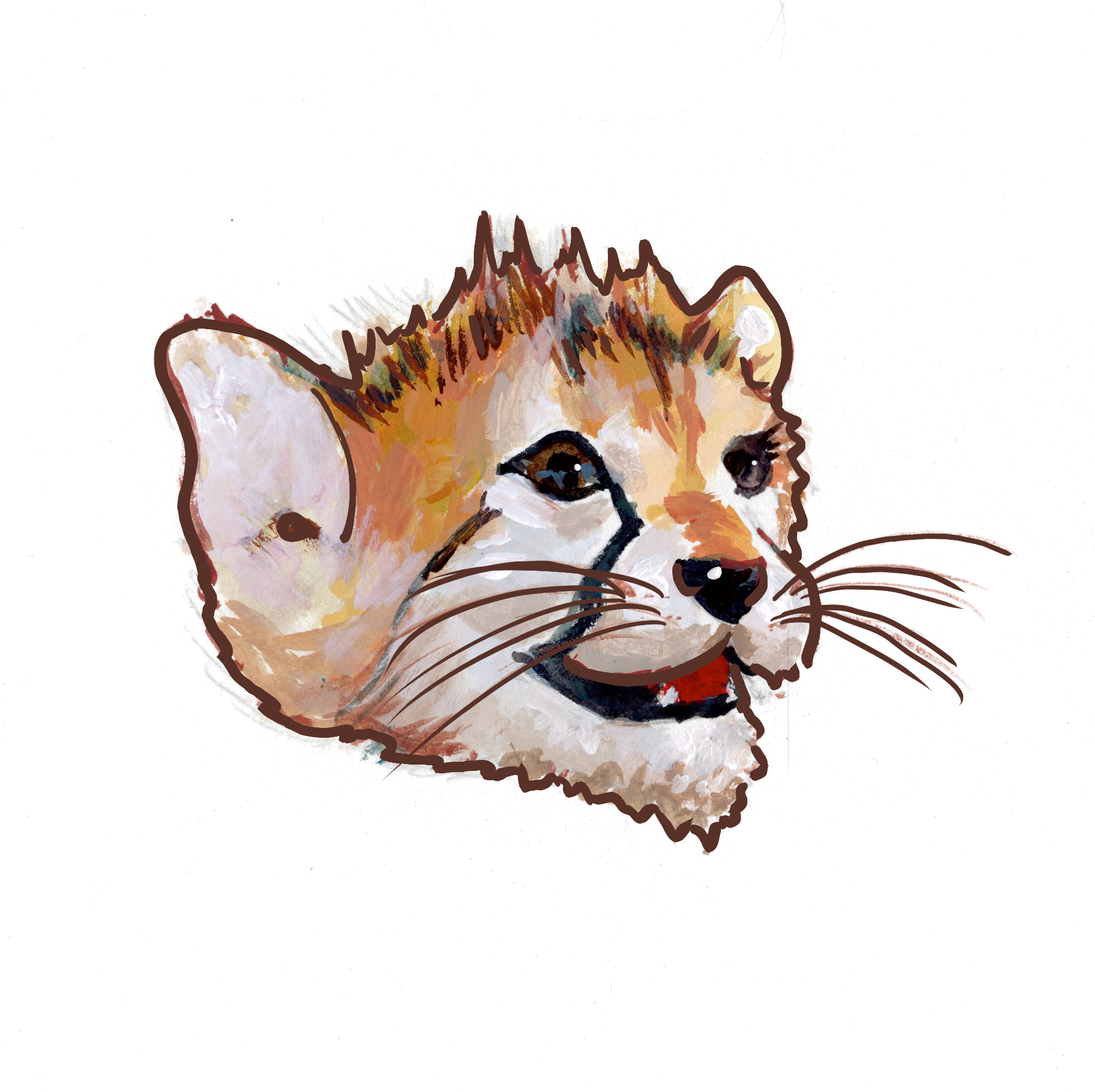
Pirouz, Norberto Perez, Gouache, 2026
Iranian people deserve recognition beyond what the media sees fit. Every struggle is measured externally; whether it will benefit western society if that struggle is understood and related to or if it’s best hidden. Most of the movements that are covered by the press have a role in shaping the world’s opinion of Iranians. There is a reason the violence echoes, and the softer nature of resistance is familiar to those who know what Palang means. There is division, even in resistance to the regime in Iran, just like in any other country. But Iran’s modern culture and history remains untold and unknown, unless we become their voice and story.